
NGERs reporting, handled.
For portfolios of solar, wind, storage and industrial sites — National Greenhouse and Energy Reporting, from the first data request to the lodged report.
A 30-minute call to find the two or three things worth fixing first. We reply within one business day.
Report due 31 October, or the next business day
From this year the figures you lodge are reviewed by an auditor, not just filed.
The whole report, end to end.
Four steps, one deadline. Each is done for you and handed back with the evidence behind it.
- 1
Map the boundaries
Which sites you report, and where each one starts and ends. Your sites, who runs them, and what data exists.
- 2
Collect the data
One request per site to whoever runs it, chased until it comes back complete. You stop emailing contractors in September.
- 3
Calculate the figures
Emissions and energy worked out the way the Regulator expects, and reconciled to last year so every movement has a reason.
- 4
Register and lodge
New sites registered with the Regulator, the report lodged well before 31 October, and the evidence filed where a reviewer can find it.
Multi-site operators.

Renewables & storage
Portfolios cross the threshold on energy produced long before anyone thinks of them as emitters. New assets every year mean new sites to register.

Manufacturing & processing
The largest group on the register. Process heat, on-site combustion and purchased electricity, usually spread across plants that each keep their own records.
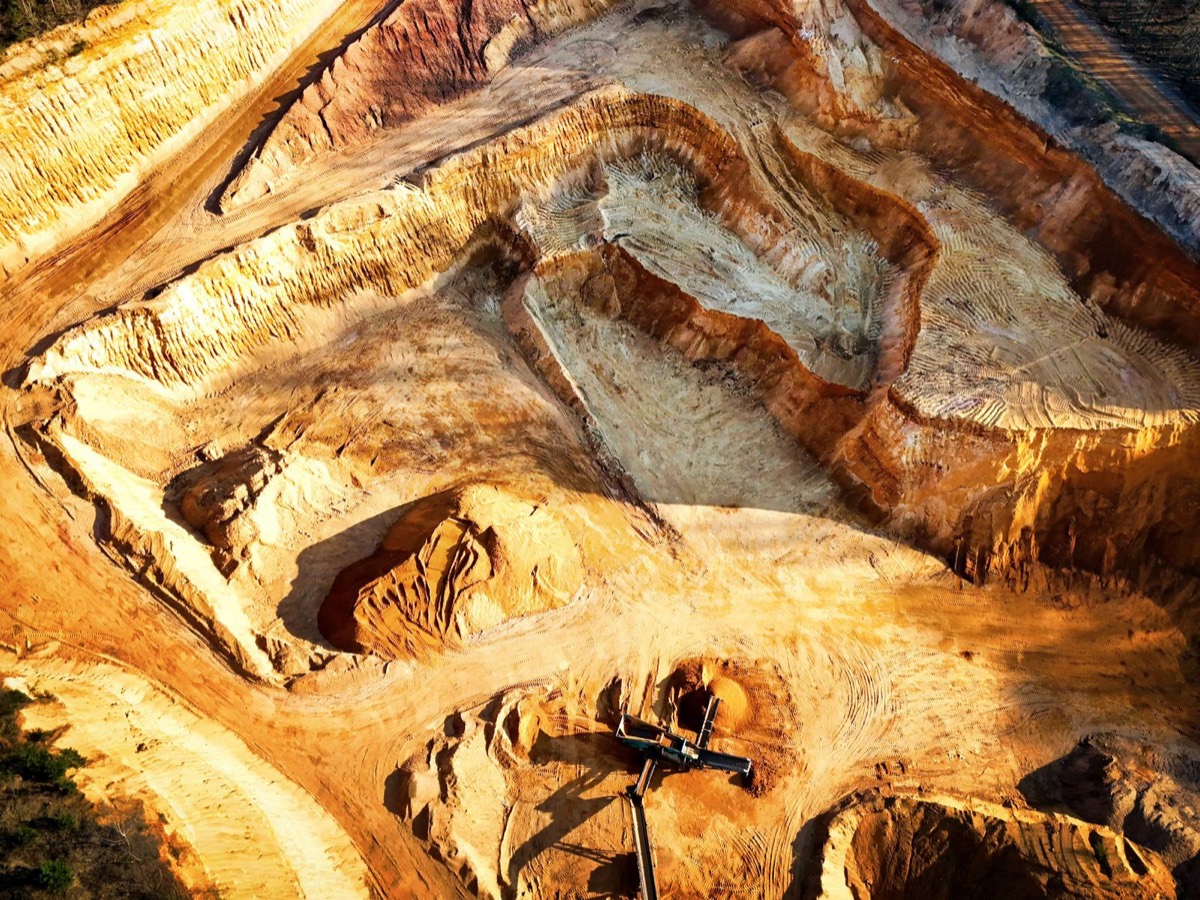
Mining & resources
Multi-site operations with real combustion emissions, and Safeguard obligations wherever a facility passes 100 kt of covered scope 1.

Transport & logistics
Fuel is the reportable quantity and it sits in fuel-card statements, supplier invoices and depot records rather than in one system.
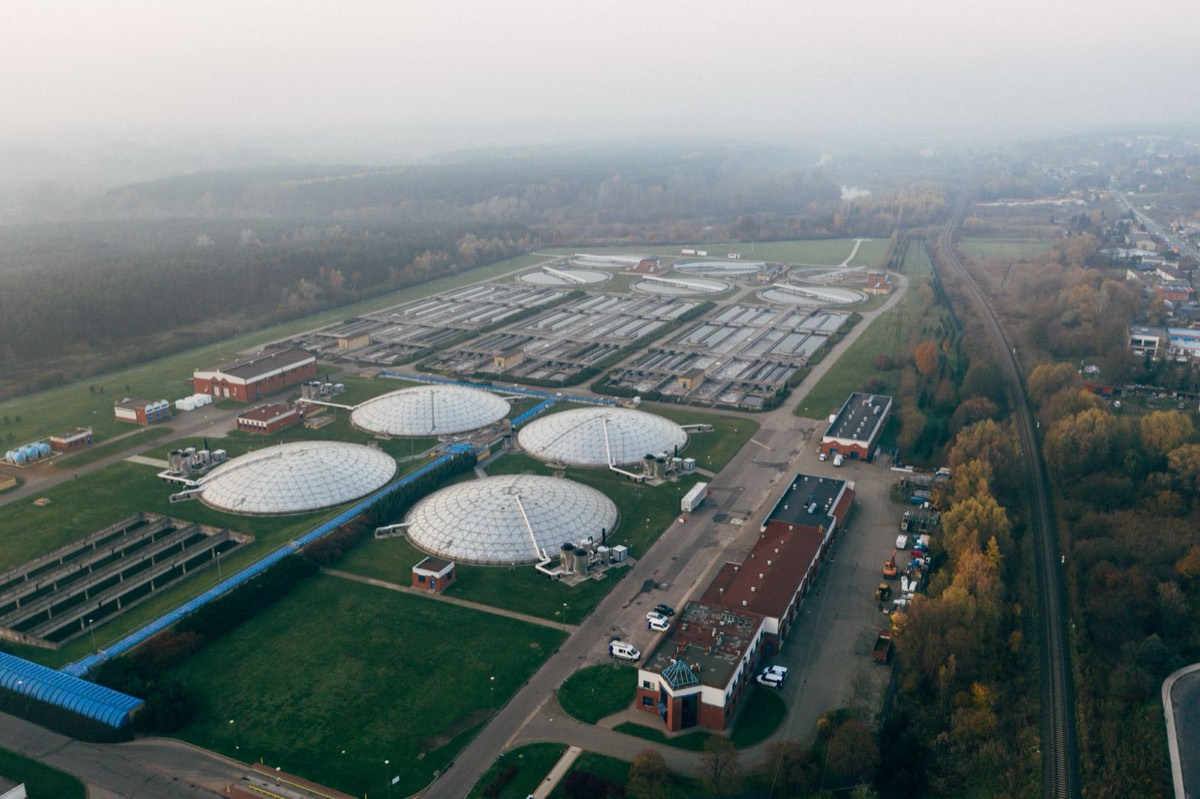
Water, waste & utilities
Pumping and treatment load across many sites, plus fugitive methane from wastewater and landfill that has to be estimated, not metered.

Property, campuses & public sector
Hospitals, universities, councils and shopping centres cross on energy consumed, with the meter data held by facilities managers at each site.
Not on this list? If you hold an NGERs obligation the work is the same. Ask about your sites.
One specialist, start to finish.
- One person, start to finish
- The person who scopes the work sets the boundaries, chases the contractors, does the calculations and lodges the report.
- Evidence as you go
- Working papers are filed by site and year during the year, in the form an assurance reviewer asks for, not reconstructed in October.
- Priced per site
- A growing pipeline does not reopen the fee. New sites are registered with the Regulator as they come online.
Start with a free 30-minute process audit.
Walk through how your reporting runs today: sites, who holds the data, how it gets lodged. You leave with the two or three things worth fixing first.
Send the request and we reply within one business day with times for the call.